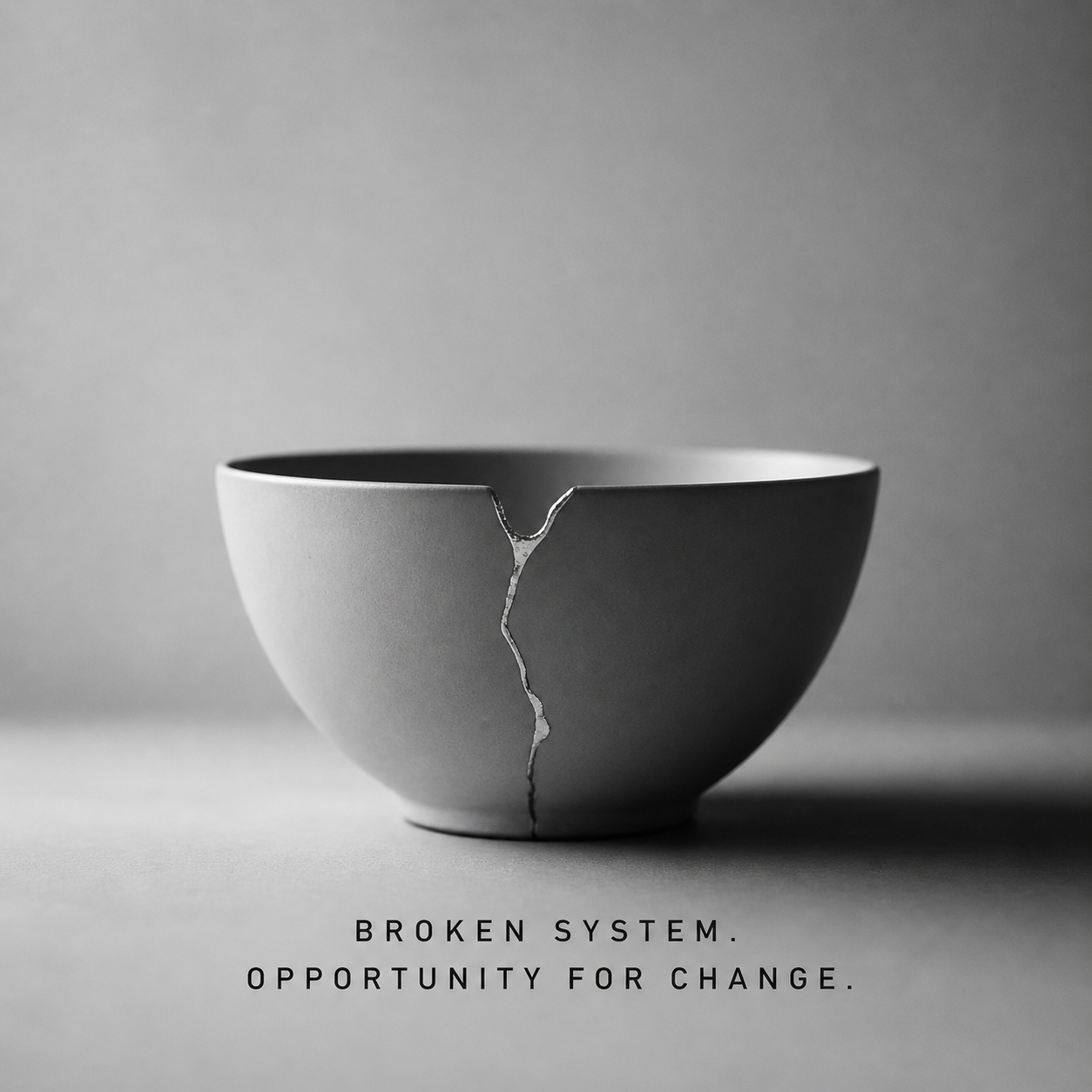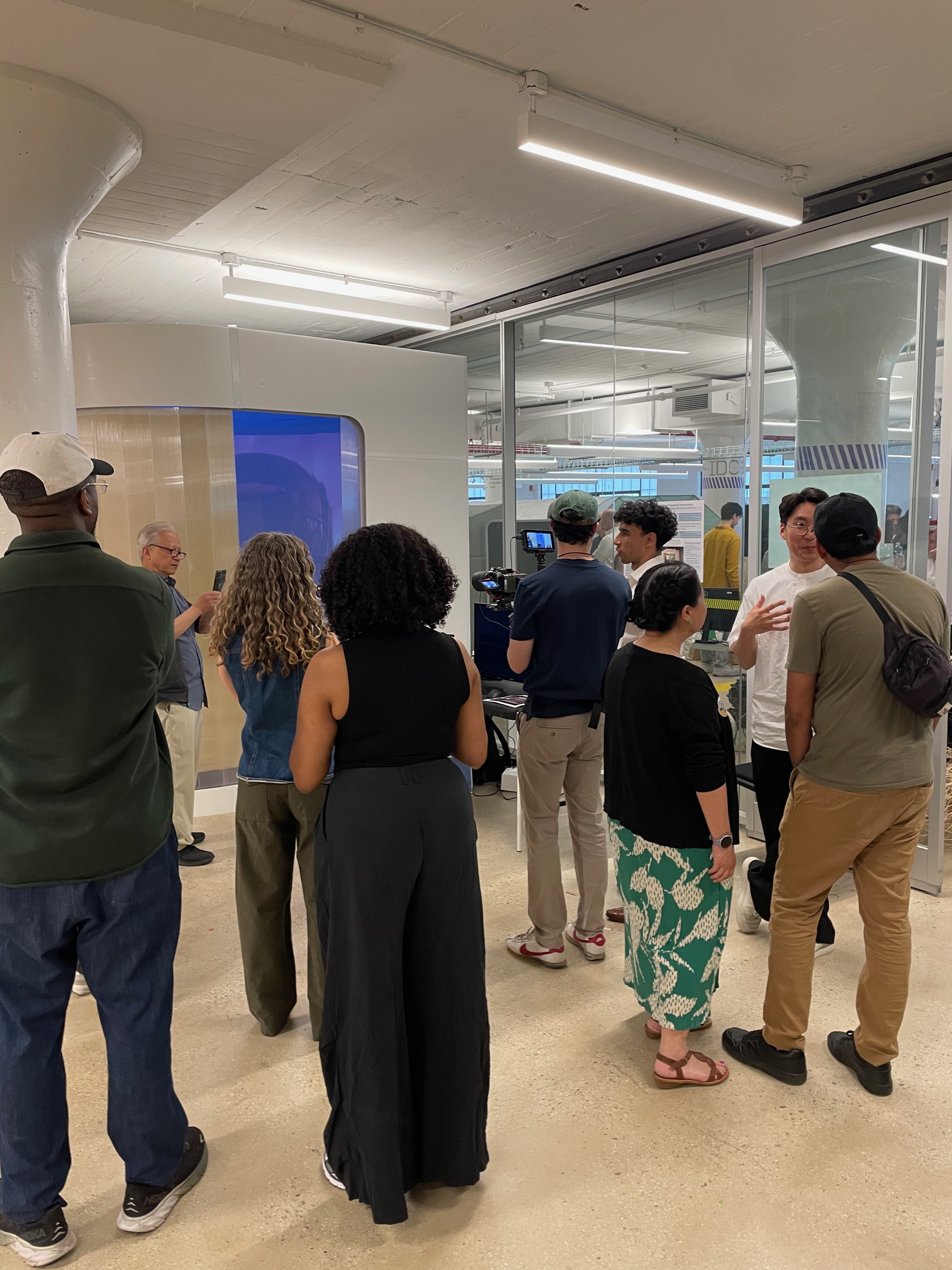
Vital Element has moved beyond the stage where this is just an idea on paper. The proof of concept is complete in Brooklyn and now the work becomes refining what this actually feels like when someone steps inside it. That part matters more than people think. Most wellness products are either clinically cold or designed like a spa brochure. Neither solves the real problem, which is that people are mentally exhausted, overstimulated, under-recovered, and surrounded by environments that make them feel worse.
Over the last several weeks we’ve been testing immersive projection systems, adaptive environmental controls, lighting integration, vibroacoustic systems, and modality combinations ranging from cryotherapy to full spectrum light exposure. Early user testing has been overwhelmingly positive, especially around personalization and the feeling that the environment is responding to the person instead of forcing the person to adapt to the environment. That distinction changes everything.
We are also continuing development on clinician-created protocols focused on recovery, decompression, focus, sleep, energy, and mental optimization. These are not random wellness experiences stitched together because they sound futuristic. Precision matters. The same way medicine eventually realized one prescription does not fit every patient, wellness is moving toward the same reality. Full spectrum light, red light, blue light, sound, vibration, visuals, temperature, airflow, frequencies, and sensory modulation all influence the nervous system differently depending on the person and the goal.
Commercially, early host partnerships and LOIs continue progressing in Arizona and NYC as we prepare for initial pilot deployments. Conversations with gyms, wellness operators, clinics, and recovery-focused businesses continue moving forward while supplier relationships deepen behind the scenes. Some of the solutions we are building were previously considered unrealistic from both a cost and integration standpoint. That is starting to change quickly.
We are currently in the proof of concept stage, but development is already moving toward a standalone commercial unit designed to become one of the most technologically advanced wellness offerings in the space. Not because it needs to look futuristic for marketing purposes, but because the future of wellness will depend on environment, personalization, and accessibility working together instead of existing as fragmented experiences.
Coming soon:
Expanded prototype demonstrations
Next generation visual systems
Sensor integration
Pilot location announcements
Public protocol testing
The long-term vision remains simple. Wellness should not feel exclusive, confusing, or disconnected from daily life. It should feel intelligent, immersive, and easy to integrate into routine.If you want to be part of the rollout, whether through partnership, pre-sales, pilot hosting, or introductions, reach out.
Over the last several weeks we’ve been testing immersive projection systems, adaptive environmental controls, lighting integration, vibroacoustic systems, and modality combinations ranging from cryotherapy to full spectrum light exposure. Early user testing has been overwhelmingly positive, especially around personalization and the feeling that the environment is responding to the person instead of forcing the person to adapt to the environment. That distinction changes everything.
We are also continuing development on clinician-created protocols focused on recovery, decompression, focus, sleep, energy, and mental optimization. These are not random wellness experiences stitched together because they sound futuristic. Precision matters. The same way medicine eventually realized one prescription does not fit every patient, wellness is moving toward the same reality. Full spectrum light, red light, blue light, sound, vibration, visuals, temperature, airflow, frequencies, and sensory modulation all influence the nervous system differently depending on the person and the goal.
Commercially, early host partnerships and LOIs continue progressing in Arizona and NYC as we prepare for initial pilot deployments. Conversations with gyms, wellness operators, clinics, and recovery-focused businesses continue moving forward while supplier relationships deepen behind the scenes. Some of the solutions we are building were previously considered unrealistic from both a cost and integration standpoint. That is starting to change quickly.
We are currently in the proof of concept stage, but development is already moving toward a standalone commercial unit designed to become one of the most technologically advanced wellness offerings in the space. Not because it needs to look futuristic for marketing purposes, but because the future of wellness will depend on environment, personalization, and accessibility working together instead of existing as fragmented experiences.
Coming soon:
Expanded prototype demonstrations
Next generation visual systems
Sensor integration
Pilot location announcements
Public protocol testing
The long-term vision remains simple. Wellness should not feel exclusive, confusing, or disconnected from daily life. It should feel intelligent, immersive, and easy to integrate into routine.If you want to be part of the rollout, whether through partnership, pre-sales, pilot hosting, or introductions, reach out.